Smart Home Technology Changing Everyday Living Life
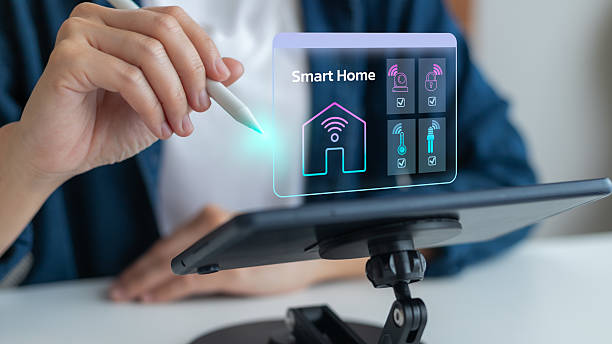
Smart home technology refers to devices and systems that connect through the internet to automate daily tasks. It improves comfort, control, convenience, and efficiency in modern household living experiences significantly today.
These systems allow homeowners to manage lighting, security, temperature, and appliances using smartphones or voice commands. The integration creates a seamless lifestyle where manual effort is reduced significantly over time.
Smart homes rely on sensors, Wi-Fi connectivity, and artificial intelligence to learn user habits. This helps devices adjust automatically, making everyday routines more personalized, efficient, and comfortable for users everywhere.
With growing innovation, smart home technology is becoming more affordable and accessible. Many households are adopting it to improve safety, reduce energy usage, and enhance overall living quality in modern environments.
Smart Lighting Systems
Smart lighting systems allow users to control brightness, color, and scheduling through mobile apps or voice assistants. This improves convenience while creating personalized lighting environments for different moods and activities daily.
These systems help reduce electricity consumption by automatically turning lights off when rooms are empty. Motion sensors and timers ensure energy efficiency while maintaining comfort and visibility throughout the home space.
Users can customize lighting scenes for reading, relaxing, or working. Smart bulbs adapt to routines, making homes more responsive and supportive of productivity, relaxation, and entertainment needs throughout the day.
Integration with voice assistants makes smart lighting even easier to manage. Simple voice commands can adjust lighting instantly, offering hands-free control and enhancing accessibility for people of all ages.
Smart Security and Surveillance
Smart security systems include cameras, motion detectors, and smart locks that enhance home safety. These devices provide real-time alerts and remote monitoring, ensuring homeowners stay informed about any unusual activity.
Surveillance cameras connected to mobile apps allow users to view live footage from anywhere. This adds an extra layer of protection, especially when traveling or away from home for long periods.
Smart locks eliminate the need for traditional keys by offering digital access codes or biometric entry. This improves security while making entry and exit more convenient for family members and guests.
Advanced systems use artificial intelligence to detect suspicious behavior. Instant notifications help prevent potential threats, making smart security an essential part of modern connected home environments today.
Voice Assistants Integration
Voice assistants like smart speakers allow users to control devices using simple spoken commands. They help manage daily tasks such as playing music, setting reminders, and controlling home systems easily.
These assistants connect with multiple smart devices, creating a central control hub for the entire home. Users can adjust temperature, lighting, and entertainment systems without using physical controls or switches.
Voice recognition technology continues to improve, allowing better understanding of accents and complex commands. This enhances usability and makes smart home interaction more natural and efficient for everyone involved.
Integration with cloud services allows voice assistants to provide real-time information like weather updates, news, and schedules. This improves productivity and keeps users informed throughout their daily routines effectively.
Smart Appliances in Kitchen
Smart kitchen appliances include refrigerators, ovens, and coffee makers that can be controlled remotely. These devices simplify cooking, food storage, and meal preparation for busy households and families.
Smart refrigerators can track food inventory and suggest recipes based on available ingredients. This reduces food waste and helps users plan meals more efficiently and creatively every single day.
Ovens with smart controls allow precise cooking settings that can be adjusted remotely. Users can preheat or monitor cooking progress through mobile apps for better convenience and accuracy.
These appliances improve kitchen efficiency by automating repetitive tasks. They help users save time while ensuring better cooking results and smoother household management experiences in daily life routines.
Energy Efficiency and Savings
Smart home systems help reduce energy consumption by monitoring usage patterns and optimizing power distribution. Automated controls ensure devices operate only when needed, lowering overall electricity bills significantly.
Smart thermostats adjust temperature based on occupancy and user preferences. They learn habits over time, providing comfort while maintaining energy efficiency in heating and cooling systems throughout the home.
Energy monitoring tools provide detailed insights into electricity usage. Homeowners can identify high-consumption devices and make adjustments to reduce unnecessary energy waste effectively over time.
By improving efficiency, smart homes contribute to environmental sustainability. Reduced energy consumption helps lower carbon footprints while supporting eco-friendly living practices in modern residential environments globally.
Health and Wellness Monitoring
Smart home technology also supports health and wellness through devices like air quality monitors and sleep trackers. These tools help maintain healthier living conditions inside the home environment.
Air purifiers and sensors detect pollutants, humidity, and temperature levels. They automatically adjust settings to ensure clean and comfortable indoor air for better respiratory health and overall well-being.
Wearable devices integrated with smart homes track fitness, sleep patterns, and heart rate. This data helps users understand their health habits and improve lifestyle choices effectively over time.
Smart wellness systems encourage healthier routines by sending reminders for hydration, exercise, and rest. They contribute to balanced living and improved physical and mental health outcomes daily.
Home Automation and Connectivity
Home automation connects multiple devices into a single network, allowing centralized control through apps or hubs. This creates a smooth and efficient living experience for modern households today.
Users can automate routines such as turning off lights, locking doors, and adjusting temperature at specific times. This reduces manual effort and enhances daily convenience significantly across all activities.
Connectivity between devices ensures seamless communication and coordination. For example, motion sensors can trigger lights or security cameras automatically when movement is detected inside or outside the home.
As technology advances, home automation systems are becoming more intelligent. They learn user preferences and adjust settings automatically, making homes more adaptive and responsive to individual lifestyles.
Future of Smart Homes
The future of smart homes will focus on deeper artificial intelligence integration and improved automation. Homes will become more predictive, adjusting environments before users even make requests or commands.
Advanced robotics may assist with household chores such as cleaning, cooking, and maintenance. This will further reduce human effort and increase convenience in daily living experiences significantly over time.
Sustainability will play a major role in future smart homes. Systems will optimize energy usage, water consumption, and waste management to create environmentally responsible living spaces for everyone.
With continuous innovation, smart homes will become more affordable and widespread. They will transform everyday living into a fully connected, efficient, and intelligent lifestyle for global populations everywhere.

About Premium Author
This post has been authored and published by one of our premium contributors, who are experts in their fields. They bring high-quality, well-researched content that adds significant value to our platform.
You Might Also Like
Popular Categories
Stay Connected
Recent Posts